

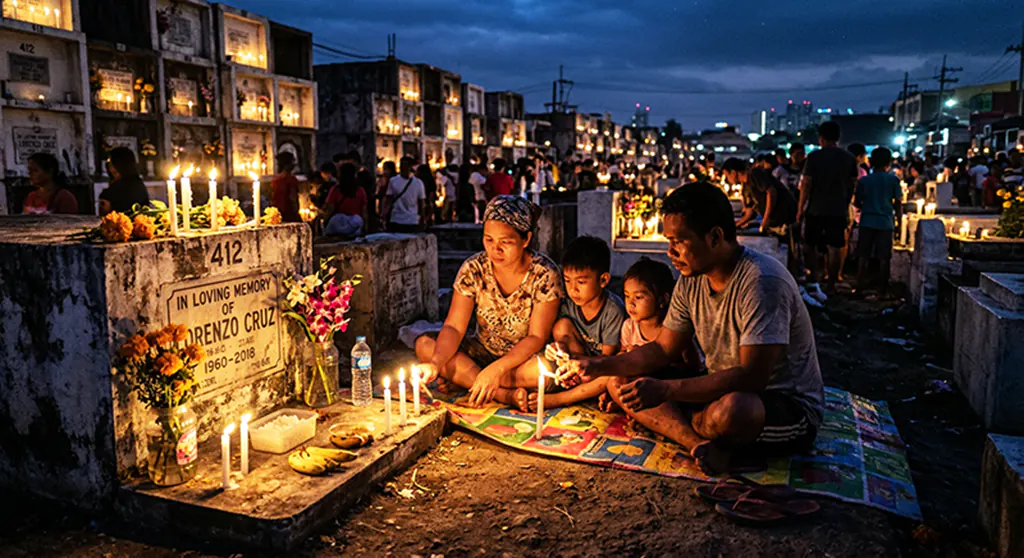
EVERY November, Filipinos bring flowers, light candles, offer prayers, and gather around family graves. Some even bring enough food to turn a cemetery visit into a family reunion. Add traffic, crowded cemeteries, and the relative who keeps asking where everyone is, and you have the familiar Filipino tradition of Undas.
But beneath the food, flowers, and family gatherings lies an important distinction: All Saints’ Day and All Souls’ Day are not the same.
November 1: All Saints’ Day
This day honors all the saints in heaven, both those officially recognized by the Catholic Church and those whose holiness is known only to God. It celebrates lives of faith, goodness, and compassion that serve as examples for the living.
In short, it is a celebration of holiness and the people who inspire us to live better lives.
November 2: All Souls’ Day
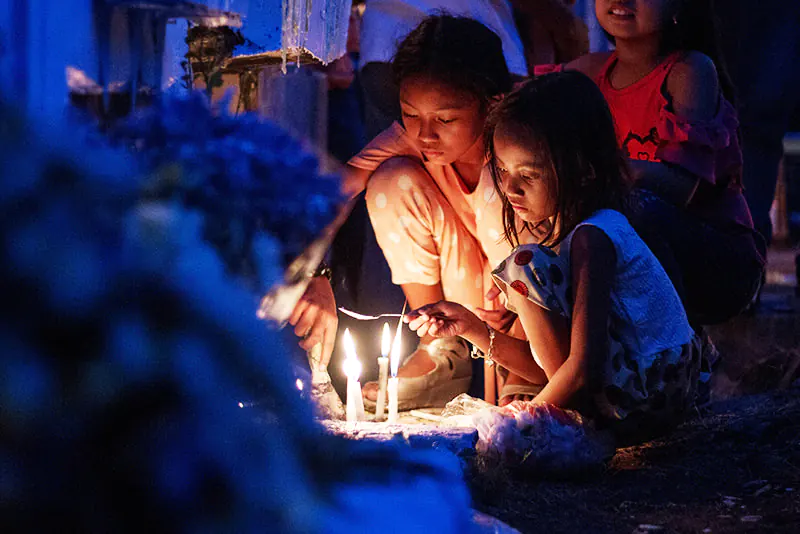
This day commemorates the faithful departed, with a special emphasis on praying for their souls. For Catholics, it is an expression of love that continues even after death.
If All Saints’ Day celebrates those believed to be in heaven, All Souls’ Day reminds us to pray for loved ones who have passed away.
Beyond Cemetery Visit
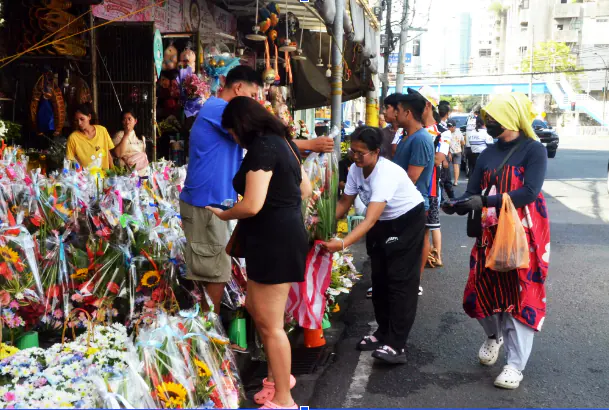
In the Philippines, these two observances often blend into one long family tradition called Undas. Families clean graves, offer flowers, light candles, attend Mass, pray the rosary, and share stories about relatives who are no longer around.
Some bring their loved ones’ favorite food. Others reconnect with relatives they rarely see. Children learn about grandparents they never met, while old family stories are retold over shared meals.
It is faith mixed with family, remembrance, and a distinctly Filipino way of keeping loved ones close.
As one reflection on the observance puts it, Undas is a “celebration of life.” And perhaps that is what makes the tradition meaningful: we remember not only that someone died, but also how that person lived and what they left behind.
But here is the question: Do we remember our departed loved ones only once a year?
We can spend hours choosing flowers for a grave but forget to call a living relative. We can gather an entire family for Undas but allow old misunderstandings to linger for years.
The tradition should remind us to honor the values our loved ones taught us—kindness, generosity, forgiveness, and love.
So, to keep it simple: November 1 honors the saints; November 2 remembers the faithful departed through prayer. Filipinos may observe both days together, but each has its own meaning.
This Undas, bring the flowers, light the candles, say the prayers, and share the food. Enjoy the family reunion, too.
But remember to love the people who are still here.
After all, one day, we may also be remembered through the stories people tell, the values we leave behind, and the lives we have touched.
All Saints’ Day celebrates holiness. All Souls’ Day calls us to remember in prayer. And Undas reminds us that while life is temporary, love can live on through generations.