
FOR the longest time, the government has been toying with the idea of cutting red tape and improving governance in an effort to attract foreign investors into the country – but not one administration delivered sustainable results.
Amid inconsistencies in investment policies in the country, foreign governments took the liberty of coaching the Philippines on what needs to be done and prescription on how to improve governance.
Just recently, the Makati Business Club (MBC) asked the government to address governance concerns to ensure transparency in the 2027 budget and uphold existing contracts–to restore investor confidence.
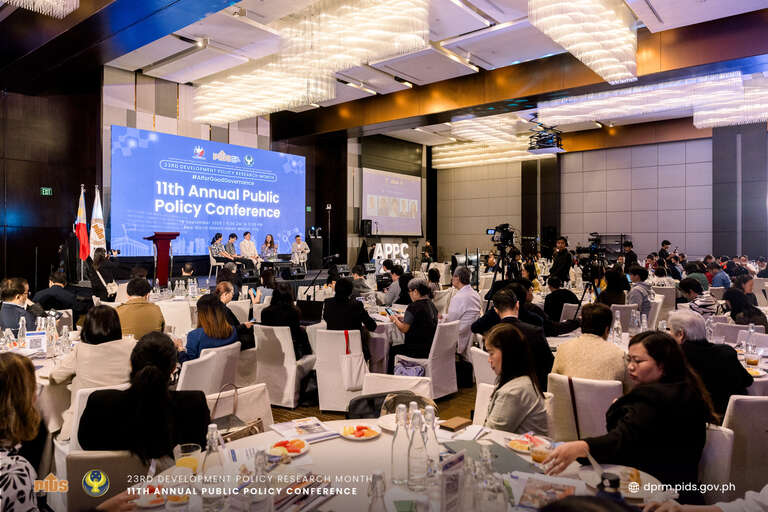
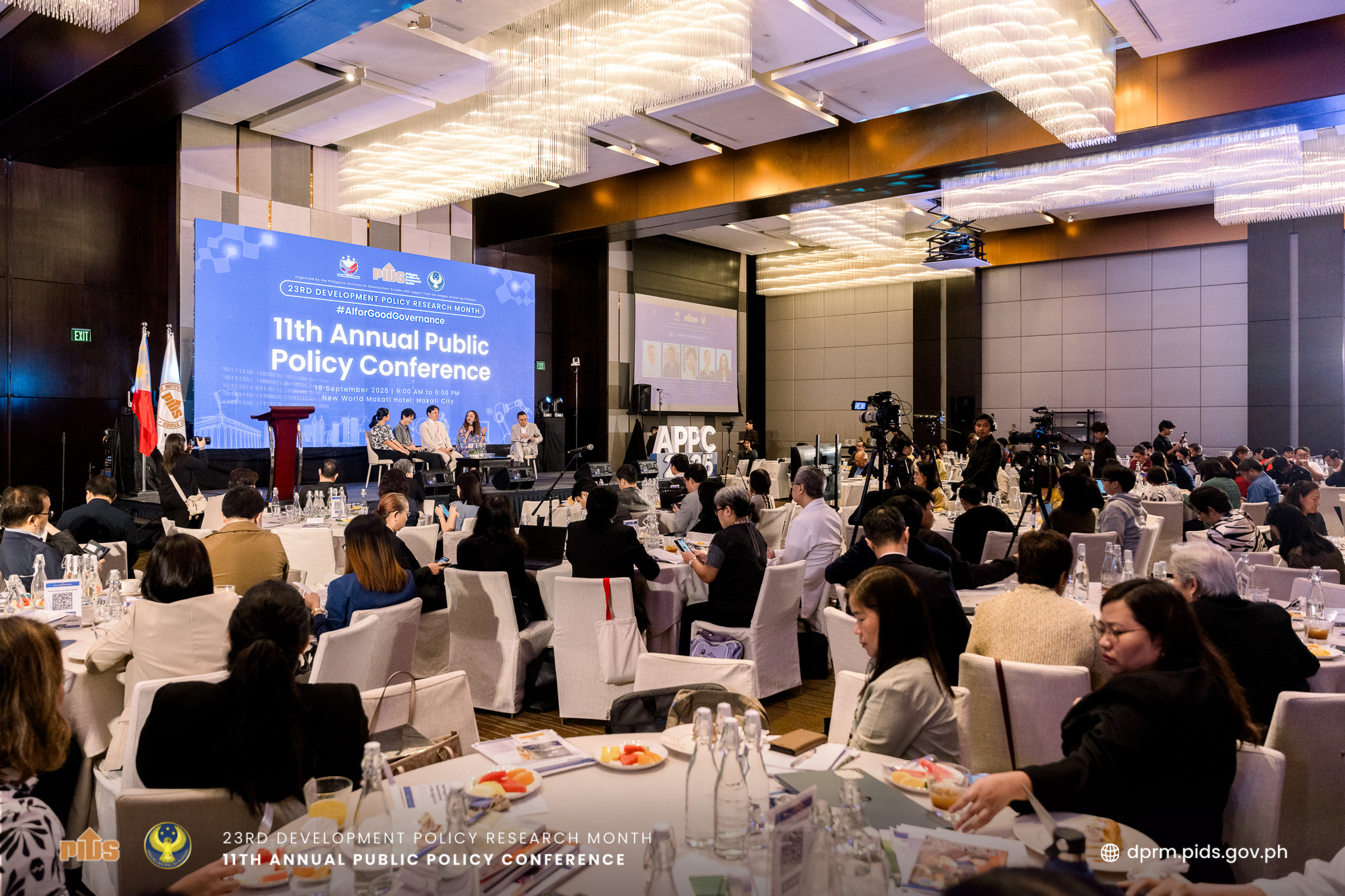
During the 11th Pilipinas Conference, Danish Ambassador Franz-Michael Skjold Melbin warned that foreign investors may delay or worse, abandon Philippine projects in view of bureaucratic red-tapes in the form of layered approvals and repeated documentation requirements that have raised costs and slowed investment decisions.
The layered bureaucracy is a challenge in itself and also a lot of the procedures are very slow because they depend on each other and are very “paper-heavy,” Mellbin told Business World on the sidelines of the 11th Pilipinas Conference on Friday.
Large investments require approvals from central, provincial, municipal and village governments, with each level imposing different requirements and repeatedly requesting the same information, he said.
MBC Chairman Edgar Chua said “improved governance will encourage investments starting with a 2027 budget that contains priority projects with full documentation instead of insertions of doubtful or low-priority projects.”
Chua called for the prosecution of corrupt government officials and their accomplices in the private sector. “Demonstrate that we have a stable and predictable regulatory environment that does not change the provisions in agreed contracts.”
Chua noted that high inflation, elevated interest rates and sluggish economic growth are among the headwinds prompting investors to remain cautious.
Rene Almendras, former president of the Management Association of the Philippines (MAP) said domestic and external uncertainties have created a perception of instability in the Philippine economy, weighing on investor confidence. “Investors need to see a clear, reasonably executable fiscal plan to address the internal issues as we need to restore confidence. Beyond just a plan, people need to see it is executable by competent talents who can execute and get things done,” he said.
Federation of Philippine Industries (FPI) Chair Elizabeth H. Lee said the country has no issues in attracting investments, citing the P166-billion approved foreign investments in the July-to-September period. “The issue is converting commitments into concrete investments. Pledges do not create jobs until they become factories,” she said.
Lee said that while investment approvals have increased, actual foreign direct investment (FDI) inflows remain below year-earlier levels, underscoring the need to strengthen investor confidence.
“At its core, investment is a confidence decision. Investors need confidence that policies will be applied consistently, that regulations will be transparent and predictable, and that institutions will uphold accountability and the rule of law,” she said.
She highlighted the importance of investments in the power and manufacturing sectors to support long-term economic growth and job creation.
Philippine Chamber of Commerce and Industry (PCCI) President Ferdinand A. Ferrer said most companies are holding off on expansion plans due to elevated operating costs, particularly fuel and imported raw materials.
“Most of the businesses are cautious on expansion and adding more capacity because of what’s happening in the market,” he told Business World.
Ferrer said private investments could begin recovering next year, with businesses awaiting more stable economic conditions, particularly in the Middle East, that could help ease fuel costs. “If the cost of operating your business lowers, our companies, entrepreneurs will invest in expansion, buy more, use more,” he added.
Ferrer also expressed hope that the Democrats’ victory in the US midterm elections, which gave them control of both houses of Congress, would lead to more favorable US policies on the Middle East and energy.
Ser Percival K. Peña-Reyes, a senior research fellow at the Ateneo Center for Economic Research and Development, said a prolonged investment slowdown could weigh on the country’s growth prospects and limit employment opportunities.
“A prolonged investment slowdown would weaken both aggregate demand and the economy’s productive capacity,” he said, adding that “fewer investments mean less construction activity, slower business expansion, and fewer employment opportunities, particularly in manufacturing, construction, and related services.”
Peña-Reyes said that insufficient capital formation could also constrain productivity improvements, technology adoption, and the creation of higher-paying jobs.
Mellbin cited the Department of Energy’s efforts to speed up renewable energy approvals by processing certifications and permits in parallel rather than separately. The lack of publicly available information has also fueled resistance to foreign-backed projects, including the Luzon Economic Corridor, which Denmark joined in May, and the US-led Pax Silica initiative.
Sergio Ortiz-Luis Jr., chair of the Philippine Chamber of Commerce and Industry (PCCI) said opposition to Pax Silica stemmed partly from the lack of clear information about the project.
But Mellbin attributed the information gap to political and governance practices that limit public participation in policy discussions.
“There may, in fact, be a lot of dialogue ongoing but maybe it’s just not at the level where you’re seeing yourself,” he said, stressing the need for public access to information on foreign projects, appropriations and planning. He said partner countries are open to discussions with stakeholders and that greater transparency would help Filipinos participate in those consultations.
Peña-Reyes said governance concerns, policy uncertainty, high electricity and financing costs, infrastructure and logistics bottlenecks, and bureaucratic red tape remain among the biggest constraints to investment.
He also pointed to the 23.9 percent decline in net FDI inflows in January-to-July period underscores the urgency of addressing these challenges.
“Restoring confidence requires more than investment incentives. The government must demonstrate consistent policies, strengthen transparency and accountability, streamline business regulations, accelerate infrastructure projects, and reduce the cost of doing business,” he added.
The Philippine economy grew by 2.5%percent in the first nine months of 2026, amid a 4.4 percent contraction in gross capital formation and slower growth of 2.8 percent in household final consumption expenditure. The nine-month growth rate was below the government’s 3.5-4.5 percent full-year growth target for 2026.