

FOR an archipelago known its people’s hospitality and fascinating tourist destinations, attracting more international conferences, exhibitions and corporate events seemed basic.
Strengthening the country’s position in the Meetings, Incentives, Conventions and Exhibitions (MICE) industry comes next.
However, the drive seemed to miss one important question that deserves attention — Are you growing the business without increasing its environmental cost?
According to the Philippine Statistics Authority (PSA), the tourism sector generated a whopping ₱2.35 trillion, or 8.9 percent of the country’s GDP, in 2024, supporting approximately 7.51 million jobs. These figures highlight the industry’s economic value, but they also remind you of the growing pressure tourism places on natural resources.
The PSA’s 2025 sustainability data show that tourism-related water consumption reached 208.74 million cubic meters, with accommodation services accounting for 42.6 percent. Transportation also contributed 70.6 percent of tourism-related greenhouse gas emissions.
These numbers should make you think twice about how you organize, host and promote events. Sustainability can no longer be an optional talking point. It must become part of how you do business.
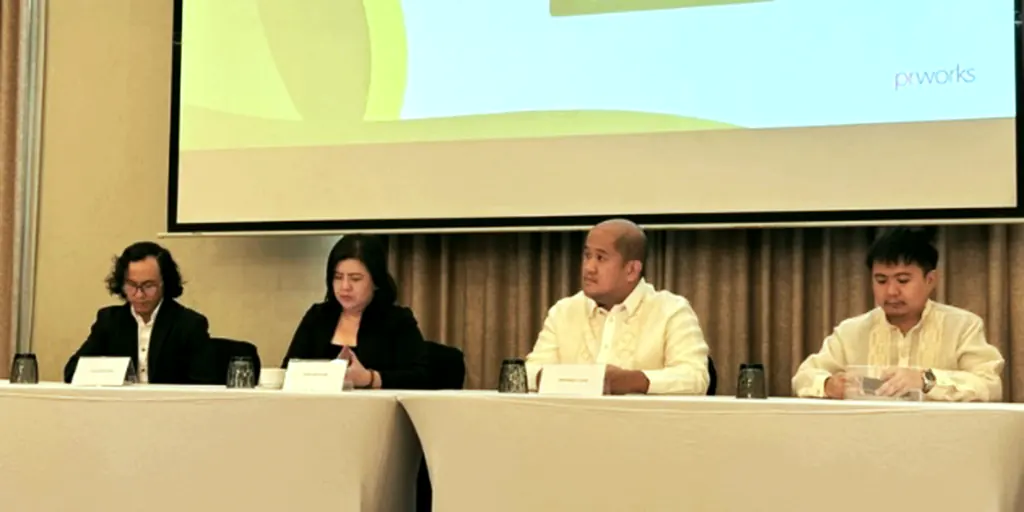
Cebu is taking a step toward this direction as Envi-Comm Corporation partners with Singapore’s NTUC LearningHub and the Singapore Association of Convention & Exhibition Organisers & Suppliers (SACEOS) to introduce the country’s inaugural Certified Event Sustainability (CES) professional accreditation program.
Classes are scheduled to begin on November 23, 2026, at Citadines Cebu City. The program is designed for event organizers, marketing and communications professionals, hospitality executives and tourism practitioners.
To earn the CES accreditation, participants must complete two core modules and one elective, including the required assessments. This is different from the MICE Sustainability Certification (MSC), which evaluates organizations rather than individual professionals.
The initiative comes as the Philippines explores more sustainable ways of hosting business events. In July 2026, the United Nations Development Programme (UNDP) Philippines also introduced its Making MICE Circular toolkit to help local governments and industry stakeholders reduce event waste and adopt circular economy practices.
These are welcome developments. But is getting certified enough?
Sustainability goes beyond certificates, corporate statements and occasional plastic-free campaigns. An event organizer requires rethinking how to use water and energy, manage food waste, source materials and work with local suppliers.
In running a hotel business, convention center or tourism business, environmental responsibility should be part of the daily operations. You also have a role in making the Philippine MICE industry more competitive without sacrificing the destinations that make it attractive in the first place.
Use local suppliers, showcase Filipino culture and heritage, support host communities and make responsible resource management part of the event planning.
After all, what is the point of attracting thousands of delegates if the destination is left with mountains of waste, depleted resources and additional environmental problems?
Measuring an event’s success isn’t limited to attendance, hotel bookings, media mileage or economic returns, but also by the impact it leaves on the destination and the communities that welcome its visitors.
One cannot keep selling the beauty of our islands while ignoring the responsibility to protect them.
A successful event may end when the delegates go home. But a truly sustainable one should leave a positive impact long after the lights are switched off.