

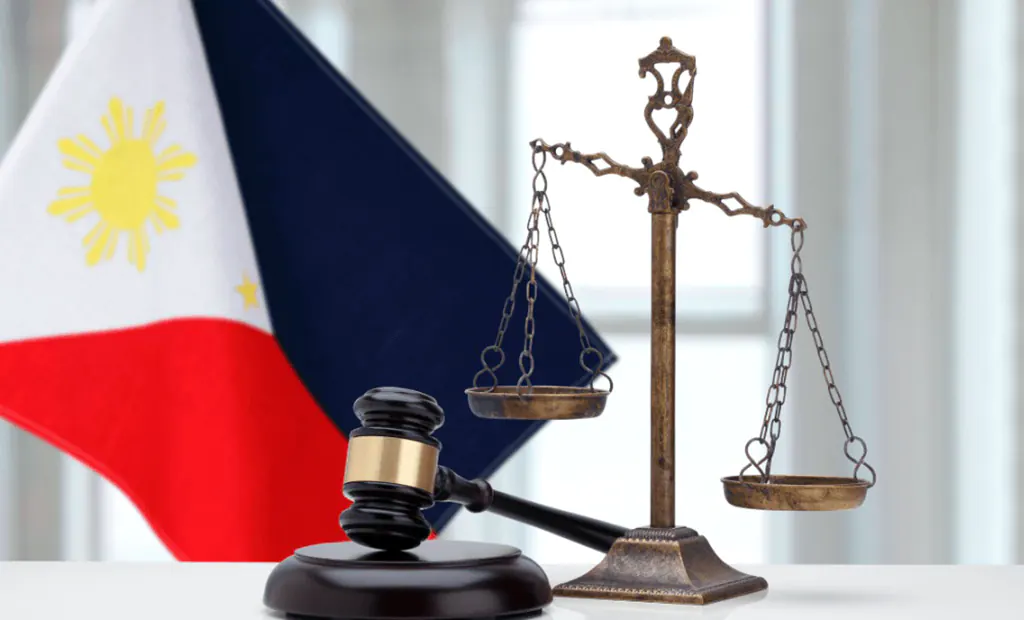
A PROPOSED Criminal Code that would replace the antiquated 1932 Revised Penal Code has been completed by the Department of Justice (DOJ).
According to Justice Undersecretary Raul Vasquez, the move is designed to modernize the 94-year old criminal law.
“The Criminal Code is a significant step towards rationalizing our criminal laws so that they respond more effectively to the realities and challenges of contemporary Philippine society,” Vasquez said as quoted in an article which first appeared in Abogado.
“A clear, coherent, and responsive criminal law framework benefits both the state and the individual,” Vasquez said.
He added that the proposed code would help law enforcement authorities and prosecutors perform their duties more effectively while providing the public with greater clarity and predictability in the application of criminal laws.
Vasquez explained that the initiative reflects the DOJ’s commitment to keeping the country’s laws relevant and responsive to the demands of a modern justice system.
Legislative efforts like House Bill No. 7632 have also been introduced in Congress to modernize the penal framework.
Several proposed bills to modernize the criminal justice system have been filed in the past.
Under the 20th Congress. Marikina Rep. Miro Quimbo filed HB 7632, which seeks to amend and modernize the Revised Penal Code, relevant special penal laws and special laws with penal provisions.
The key features of the proposed Criminal Code are:
•Modernization and Simplification: Updates outdated provisions, simplifies complex legal terminology, and removes archaic Spanish and Latin legal terms.
•Consolidation of Laws: Harmonizes and integrates scattered special penal laws (such as cybercrime, plunder, and counter-terrorism statutes) into a single, unified code.
•Expanded Jurisdiction: Expands extraterritorial and universal jurisdiction to address contemporary and transnational crimes like cybercrime and human trafficking.
•Reformed Penalties and Liability: Rationalizes sentencing scales, introduces or updates alternatives like community service, recognizes juridical/corporate liability, and adjusts fine and property thresholds.
•Human Rights and International Standards: Incorporates international law principles, including standards for war crimes, genocide, crimes against humanity, and better protection for vulnerable sectors like women and children.
Vasquez said the proposed code would update outdated provisions, harmonize overlapping special penal laws and simplify complex legal terminology.
“This is a significant step towards modernizing and rationalizing our criminal laws so that they respond more effectively to the realities and challenges of contemporary Philippine society,” Vasquez noted..
According to the DOJ, the changes are intended to address legal ambiguities causing delay investigations, prosecutions and court proceedings.
“A clear, coherent, and responsive criminal law framework benefits both the state and the individual,” Vasquez averred.
He explained that the updated code would help law enforcement agencies and prosecutors handle cases with greater precision while providing citizens with clearer legal standards and more predictable application of the law.
The DOJ said the initiative also aims to strengthen fairness, transparency and accountability in the criminal justice system.
With the technical drafting phase completed, the department is preparing to endorse the proposed Criminal Code to Congress for deliberation and possible enactment.
The proposed legislation would require congressional approval and presidential action before it could become law.