

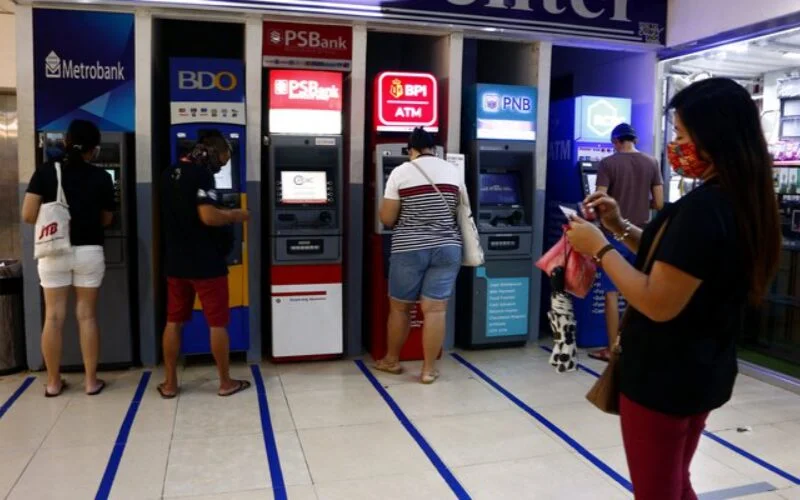
PHILIPPINE banks, especially the traditional brick-and-mortar setup, have failed in customer experience with gaps in service quality and consistency in performance, according to a survey of Singapore-based research firm Twimbit.
Twimbit has additional regional presence and analyst teams operating across countries like Malaysia, India, and Indonesia.
In its report on “The State of CX (customer experience) in ASEAN Banking 2026” the Philippines scored 3.77 out of five, even below the regional average of 3.86, the report was quoted by Business World.
Singapore led with a score of 3.99, followed by Malaysia at 3.93, Thailand at 3.86, Indonesia at 3.82, and Vietnam at 3.81.
The study assessed 42 banks, made up of 26 traditional banks and 16 digital banks, across four areas: digital service, brand, and employee experience.
The Philippines trailed regional benchmarks across the four pillars, with the widest gap seen in service experience, where it scored 3.62 against the regional average of 3.80.
Despite the availability of hotlines, frequently asked questions, chatbots, and social media support, customers of Philippine traditional banks continue to face difficulties in escalating and resolving their concerns, Twimbit said.
“Customer feedback consistently flags slow case resolution, difficulty reaching human agents, and weak follow-through after issues are logged,” the report said.
Reporting complaints about statement of accounts updates and issues resolving credit and debit cards go through customer service hotlines, which takes eternity to be answered. What awaits callers is just a continuous music and recorded prompt about what numbers to punch for what issue and then wait for a customer service representative to respond, if at all.
Twimbit said Philippine banks should improve the speed and consistency of customer service, while giving employees better tools and greater authority to address concerns.
The Philippines scored 3.74 in employee experience, way below the regional average of 3.78. Its digital and brand experience scores stood at 3.86 and 3.83, respectively, also below the regional benchmark of 3.92 for both areas.
The report found that advanced digital capabilities such as artificial intelligence (AI) insights, biometric authentication, conversational chatbots, and fully digital in-app processes remain concentrated in a few Philippine traditional banks.
Other banks continue to rely on basic personalization, one-time passwords sent through text messages, and processes that cannot be completed entirely online.
It also found uneven leadership and employee support for improving customer experience, with few banks showing “clear signs of mature CX leadership, advanced training, or real frontline empowerment.”
The report showed that Philippine digital banks are expanding biometric authentication, AI-powered financial services, personalized offers, and fully digital account opening.
“Digital banks are combining in-app support, conversational AI and human assistance to make banking more accessible and responsive,” it added.
It also cited Philippine banks’ goal-based savings and alternative credit scoring and banking models that are seen to help broaden access to financial services.
GoTyme Bank Corp. led Philippine digital banks with an overall customer experience score of 4.06, while Union Bank of the Philippines led traditional banks with 4.03.
To address customer experience gaps, Twimbit said Philippine banks should improve service responsiveness and consistency while giving frontline employees better tools and greater authority to resolve customer concerns.
In its recommendations for banks across the six markets, it called for faster escalation of unresolved complaints, clearer explanations of how concerns will be addressed, and proactive updates to customers.
“Speed of escalation, clarity of resolution, and proactive updates define trust more than flawless journeys ever will,” Twimbit stated.
Twimbit also said banks should expand self-service options without weakening accountability or human support, while ensuring customers receive consistent service across channels.
By 2030, Twimbit expects customer experience to become the “core engine of trust, growth and regional integration” in ASEAN banking, it said.