

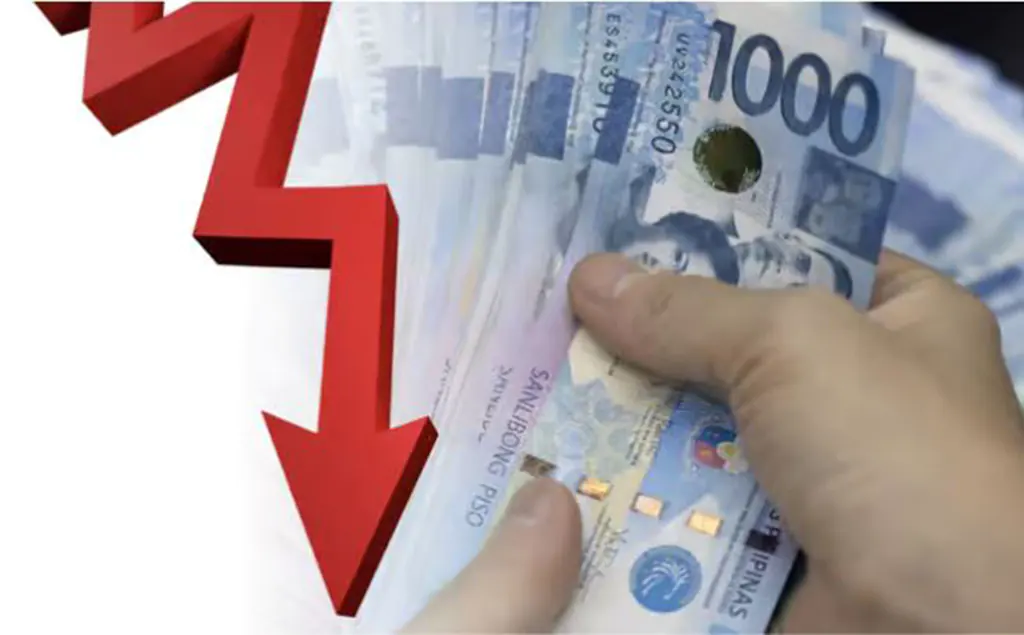
THE Philippine currency continues to drop as it fell 33.5 centavos, almost breaching the P64 per dollar mark amid persistent geopolitical tensions and rising oil prices.
Opening the intraday trading of the week, peso hit a P63.95 record -law exchange rate to a dollar, surpassing its previous all-time low of 63.615 set on Friday, data from the Bankers Association of the Philippines showed.
At the end of Monday trading, the peso skid marked the fifth consecutive day of logging a record low.
As this developed, five major central banks across the globe hinted at announcing policy decisions in the next few days — the US Federal Reserve (Fed), the European Central Bank, the Bank of Japan, the Bank of Canada and the Reserve Bank of New Zealand.
Traders attributed the devaluation and inflation to higher oil prices, which makes the policy outlook complicated as markets weigh the risk of further rate increases.
According to Domini Velasquez, chief economist at China Banking Corp., higher oil prices over the weekend and US President Donald Trump’s remarks on the possibility of renewed military action against Iran strengthened the US dollar, adding to downward pressure on the peso.
Such a statement by the US President however proved detrimental to the Philippine currency as investors expressed apprehension and that the Philippines could face a period of stagflation, Velasquez added.
“The peso’s trajectory over the past few days suggests that the USD-PHP exchange rate could breach the 64 level in the near term if current pressures persist,” she added.
Last week, the Bangko Sentral ng Pilipinas (BSP) raised its policy rate by 50 basis points to 5.5 percent in a larger-than-expected move aimed at curbing stubbornly high inflation.
The BSP expects inflation to average 6.1 percent this year, considerably above its 3-percent target. It further raised its inflation forecast for 2027 to 6 percent from 5.4 percent, though it expects price growth to ease to 3.3 percent in 2028.
But the peso continued to weaken despite the aggressive rate increase. BSP Governor Eli Remolona Jr. reiterated that the central bank intervenes in the foreign exchange market only to temper excessive volatility that could fuel inflation.
The BSP chief stressed that the half-point rate hike was not intended to defend the peso.