


IN the Philippines, when there’s no water, buy a bucket. When there’s no clear explanation, stock up on patience. But when you ask what the government’s actual plan is, you might be told you’re short on brains.
Welcome to Philippine politics, where the public asks for answers but sometimes gets insults instead. During El Niño, water is what we should conserve—not explanations, and certainly not respect for the people.

President Ferdinand Marcos Jr. urged Filipinos to prepare buckets to collect rainwater amid concerns over El Niño. On its own, the suggestion is practical enough. Water conservation matters, and preparing for shortages is a responsibility shared by everyone.
But the conversation took a different turn when Palace Press Officer Claire Castro defended the President’s remarks and suggested that critics needed a “bucket of brains” to understand his plan.
Well, that escalated quickly. We started with a bucket for water and somehow ended up debating the contents of people’s heads.
Ante Claire, the problem is not that Filipinos ask questions. The problem is when questions get answered with insults instead of information.
People want to know how the government intends to address water shortages, what preparations are underway, and how vulnerable communities will be supported. These are legitimate concerns, not evidence of low intelligence.
After all, if a government has a good plan, explaining it clearly should be easier than insulting those who question it.
Filipinos are resourceful. We know how to stretch a budget, survive power outages, find alternative sources of water, and make jokes about situations that would otherwise drive us crazy. Humor has practically become a national coping mechanism.
But resilience should not be an excuse for poor communication. Citizens should not have to possess extraordinary patience—or a supposedly oversized brain—to understand public policy.
Leadership is not a contest in who can deliver the sharpest insult. It is about listening, explaining, and making sure that policies translate into real solutions.
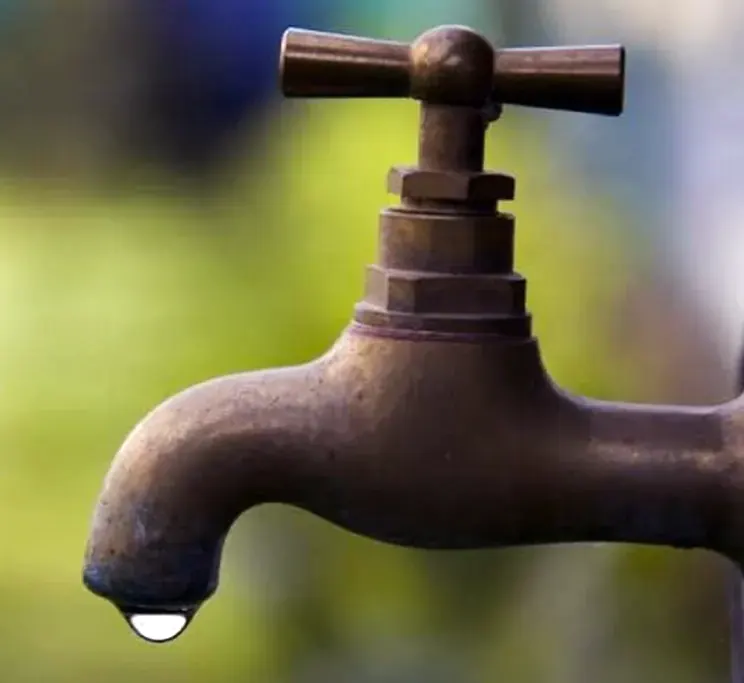
So, yes, let’s prepare our buckets. Let’s conserve water, take climate warnings seriously, and do our part.
But let’s also expect our public officials to do theirs.
Because when the water runs low, a bucket of brains will not save a community. Reliable water systems, clear information, and effective government action might.
And if another political exchange ends up becoming a meme, we will probably laugh. What else can we do when Philippine politics keeps supplying material for free comedy?
Still, beneath every laugh is a serious question: Have we become so accustomed to political theatrics that we have forgotten what accountability should look like?
Ante Claire, we’ll prepare our buckets. But please give us clear answers, not insults.
In the middle of El Niño, water is what we need to save. In the middle of political noise, what we need to preserve is our common sense—and the right to demand better from those who lead us.