

AT FIRST, it was funny.
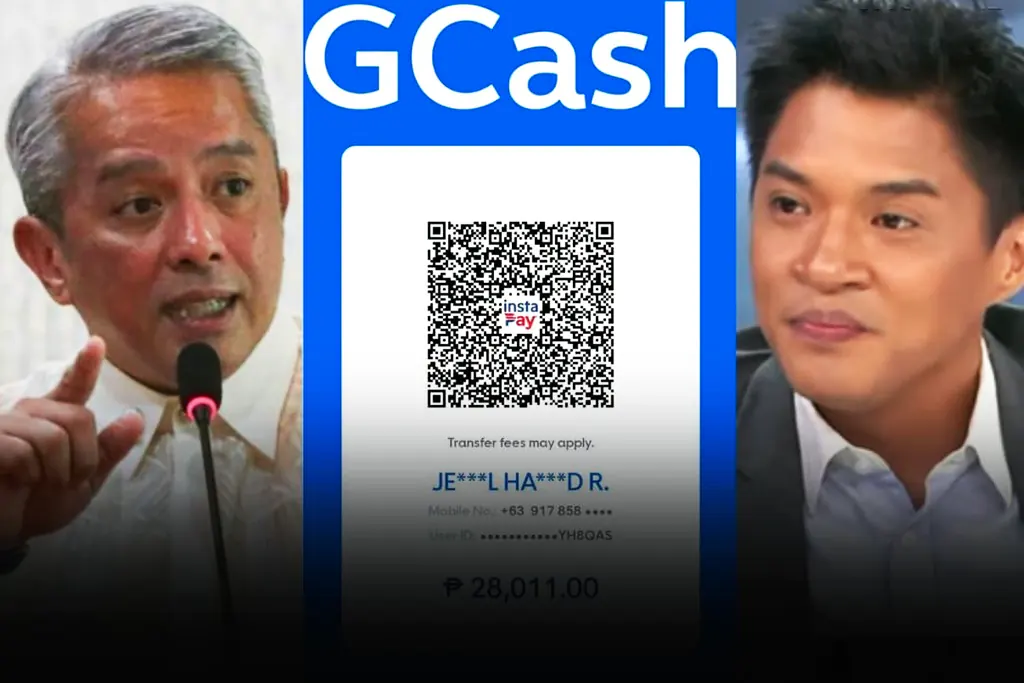
DILG Secretary Jonvic Remulla challenged Vice Mayor Harold Respicio to take a drug test after Respicio’s viral confrontation over local government issues. Respicio took the challenge—went to the lab, paid around ₱28,000, tested negative, then basically told Remulla:
“Ikaw magbayad. Ang mahal!”
Remulla’s answer? He’d GCash him.
And suddenly, a political spat became a GCash transaction.
Only in the Philippines.
But honestly, after the laughter comes the frustration.
Are these really the conversations we want from government officials?
While they trade banter, Filipinos are trading pesos for rice, electricity, transportation, and necessities.
A minimum-wage worker doesn’t care who won the social-media argument. He cares whether his salary survives until payday.
We have an economy struggling with rising prices.
We have political disputes consuming the Senate.
We have families tightening their belts.
And yet, our public discourse sometimes looks like Grade One pupils fighting over who started it.
“Drug test ka! Samahan mo ako! Refund mo ako!”
GCash ko sa iyo!”
Next: screenshot ng QR code.
Funny? Absolutely.
But also embarrassing.
Public office is not a Facebook comment section. Government is not supposed to be a contest for the best clapback.
And while we’re laughing at the GCash drama, perhaps we should ask the more important question:
Who is paying for the consequences of government distraction?
Certainly not the politicians.
The ordinary Filipino is.
So yes, congratulations to GCash for the unexpected publicity. Many of us use it every day to send money, pay bills, and survive emergencies.
But government officials?
We need them to do something more valuable than sending money through GCash.
We need them to send solutions.
Because Filipinos don’t need another viral political exchange.
We need a government that finally gets serious about the things that actually hurt.