

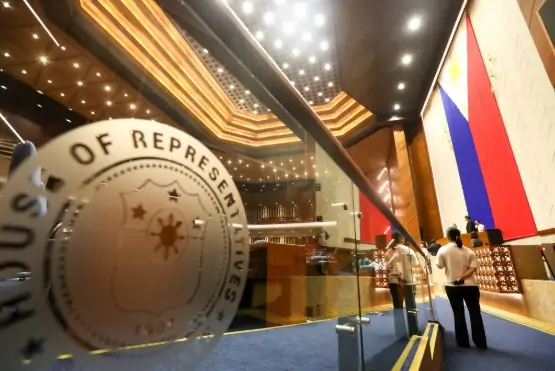
CONGRESSMEN behind the dubious unprogrammed funds (UA) in the national budget might as well start packing as the Ombudsman hinted at exposing politicians whom he claimed “gamed” the budget in the past few years.
In a press conference, Ombudsman Jesus Crispin Remulla said that the antigraft body will soon be forming a study group to look into and identify culprits behind the “unconstitutional” UAs under the 2024 and 2025 national budgets, as well as the standby government funds in the 2026 budget.
“I will compose a group that will study the Supreme Court decision and the budget that came with the decision so we could study thoroughly the details,” Remulla said.
“We always evaluate decisions of the Supreme Court when it comes to pinpointing culpability. We have to act. So we will study all of that and look at where the fault was and how to make people explain their side, or at least be made responsible for what they did,” he added.
He however clarified that the Office of the Ombudsman recognizes the power of Congress to amend the budget proposed by the President, but amendments done in bad faith are “unacceptable.”
“We will look at the ‘parking,’ the amounts ‘parked’ in different places. Those are signs that they gamed the budget,” Remulla said. “So for the people who gamed the budget, we will study how to go after them.”
During the oral arguments before the high court, experts told SC justices that the national budget in the last three years saw an increase in UA, which lawmakers used to “park” their supposed pork barrel in the form of “budget insertions.”
Congressional probes looking into the multibillion-peso flood control corruption scandal revealed that a number of infrastructure projects were funded under UA.
Remulla said that the Office of the Ombudsman has so far filed 35 flood control-related cases—31 of them under the jurisdiction of the Sandiganbayan and four under the regional trial courts.
Also, he said 166 flood control-related complaints are already under preliminary investigation by the Ombudsman, the final stage before a decision ordering the filing of cases in court.