

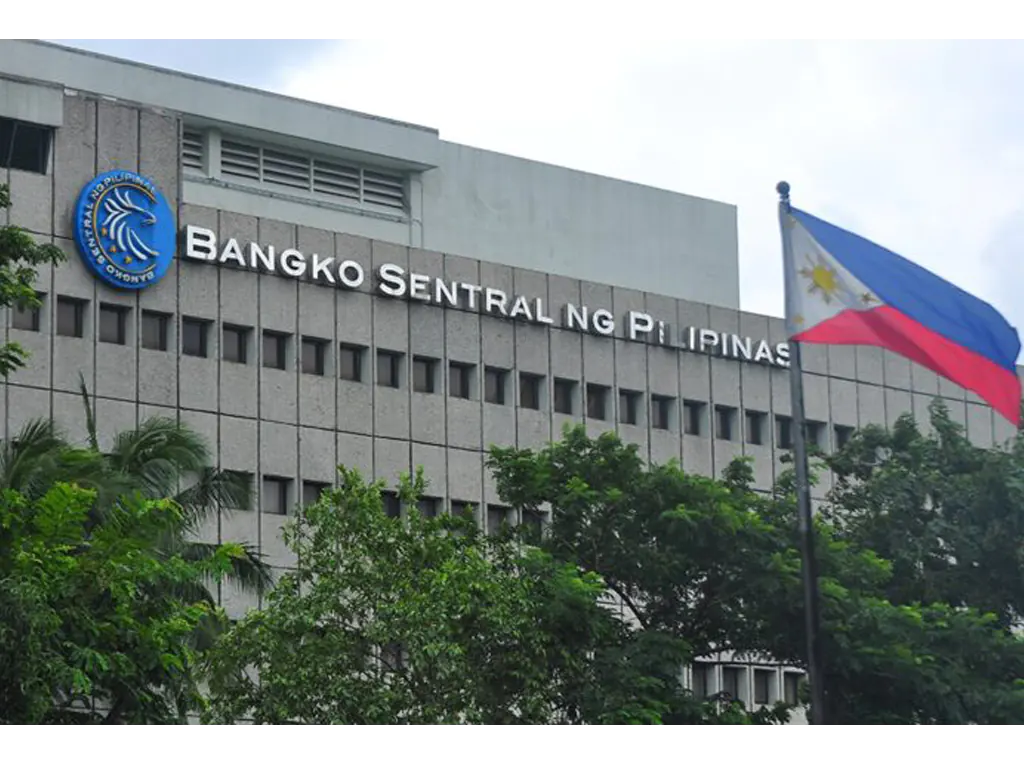

FORMER Bangko Sentral Deputy Governor Diwa Guinigundo urged the BSP to scrutinize more data on inflation, growth, exchange rate and capital flows to ensure that it maintains “sufficient interest-rate support.”
Gunigundo in his capacity as chairman of the advisory panel of the ASEAN+3 Macroeconomic Research Office based in Singapore, said that the “challenge for the BSP is to maintain sufficient interest-rate support without making the cost of capital so high that it begins to damage the very growth and investment that the economy needs.”
As to whether the BSP should continue raising interest rates given the weak local currency and high oil prices, Guinigundo said the BSP “should be data-dependent,” hence the need to gather more data on inflation and growth, exchange rate and capital flows.
He weighed the advantages of raising the policy rate further against the risks that would come with further tightening.
Guinigundo explained that a higher rate can strengthen the peso, anchor inflation expectations and support portfolio flows.
But, if the policy rate “stays high for too long,” it can “unnecessarily suppress domestic demand, investment and employment.”
“In short, a relatively high rate can buy monetary and exchange-rate stability, but it comes at a cost,” Guinigundo, who worked with the Central Bank of the Philippines for 41 years, he said.
Moving forward, it is more important to look at the real policy rate and interest-rate differential after adjusting for inflation and exchange-rate expectations rather than the nominal policy rate alone, he explained.
“That distinction is particularly important now because the BSP is already dealing with both inflationary pressures and peso weakness; its recent decision explicitly cited the need to anchor inflation expectations and mitigate broader price pressures,” he told the newspaper.
In an earlier commentary, Guinigundo explained that the issue is not simply whether the BSP should raise, hold or eventually cut its policy rate.
“The more fundamental question is whether monetary policy is sufficiently restrictive in real terms to bring inflation back to target and keep expectations firmly anchored,” Guinigundo noted.
The Monetary Board, the highest policy-making body of the BSP, has raised the key interest rate by a total of 75 basis points since the start of the Middle East conflict, delivering three separate quarter-point rate hikes at the Monetary Board’s rate-setting meetings held on April 23, June 18, and August 27.
These policy actions brought the Target Reverse Repurchase (RRP) Rate to five percent.