

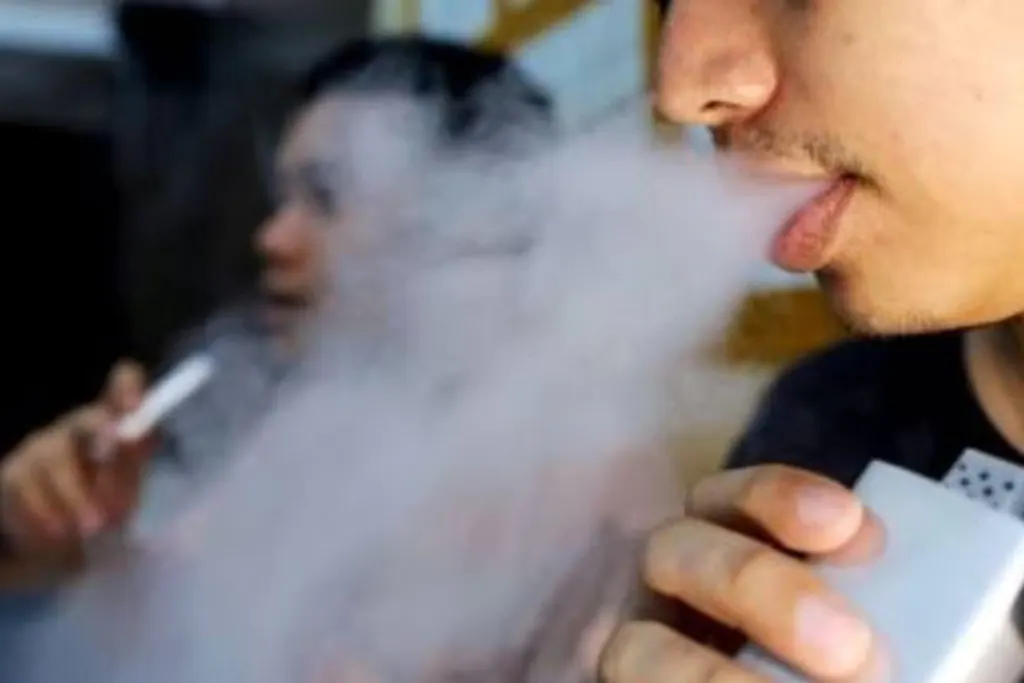
AS the saying goes, health is wealth. But for the economic managers, ensuring health and safety among Filipinos can wait until after there’s more than enough funds that would defray the cost of government infrastructure projects.
For one, vape products are far more dangerous than cigarettes even as the Department of Health (DOH) warned the public about the harmful health effects of cadmium, a toxic metal found in vape aerosols.
Cadmium, according to the DOH, can damage the kidneys and bones, while prolonged exposure may increase the risk of cancer. Aside from cadmium, vape aerosols may contain other harmful chemicals, including benzene, diacetyl, and acrolein for which the agency urged the public, particularly the youth, to avoid vaping due to its harmful components.
Higher Tax as Deterrent
In what looks more like an admission that campaigns embarking on prevention isn’t an effective deterrent, the DOH backed proposals to implement higher taxes on vapes.
Such a move, the agency added, could help make potentially harmful products less affordable and accessible.
The Philippine Tobacco Harm Reduction Advocates (PHILTRA) earlier urged the government to consider higher excise taxes on vape products.
E-liquids are currently taxed differently depending on whether they contain salt nicotine or freebase nicotine.
The Department of Finance is pushing for a unified excise tax of P72.93 per 2 milliliters or 2 grams on e-cigarettes and heated tobacco products, on top of a P150 excise tax per device.
PH Under Vapedemic
According to data which appeared on the website of Health First, the number of Filipino teenagers who have switched to vapes is alarming.
“The Philippines is in the middle of what health advocates are now calling a ‘vapedemic,’ and the numbers are impossible to ignore. The number of Filipino teenagers who vape exploded from just 37,513 in 2021 to 423,185 in 2023.”
The 2023 figure is more than an 11 times the increase in just two years. Data from the Global Youth Tobacco Survey found that 1 in every 7 Filipino students aged 13 to 15 is already using e-cigarettes daily, an age group not even legally allowed to buy these products
To date, more than 1.7 million Filipinos are into vape use, as per data released by the Global State of Tobacco Harm Reduction.
Vaping Less Harmful?
According to Health First, 70 percent of Filipino vape users are living under the wrong impression that vaping is less harmful than cigarette smoking. Such a misconception, it added, has been “driving the use of vapes” in the country.
Vapes were originally marketed as smoking cessation tools, but what most users do not realize is that a single vape pod can contain up to 65 milligrams of nicotine per milliliter, compared to roughly one milligram absorbed per cigarette stick.
The DOH has warned that vaping is linked to cardiovascular disease, cancer, and irreversible lung damage — conditions that can develop even in young, previously healthy individuals.
Destroying Lungs
According to health experts, vaping doesn’t just damage one’s lungs; it permanently destroys them.
The DOH has reported cases of “popcorn lungs” wherein the lung tissue becomes permanently scarred, making it harder to breathe over time. There are also reports of lungs turning completely black, as if the person has been smoking for a while.
And the risk does not stop with the person holding the vape. Secondhand vape exposure carries the same risk and toxic particles that enter the primary user’s lungs. Classrooms, jeepneys, and coffee shops have become unwilling fog chambers for people who never chose to vape at all.
Sweet flavors like cookies and cream, pistachio, and bubblegum were not created for adult smokers trying to quit. They were created to appeal to young people who have never smoked before.