


THE government is considering the idea of stepping on the brake insofar as collecting excise taxes imposed on oil products — but not the type of “oil” that Iran and the United States are fighting over.
During the Senate hearing on the proposed budget for the Department of Finance (DOF), Senator Bong Go renewed his call to suspend fuel excise taxes amid the Middle East tension-induced crisis.
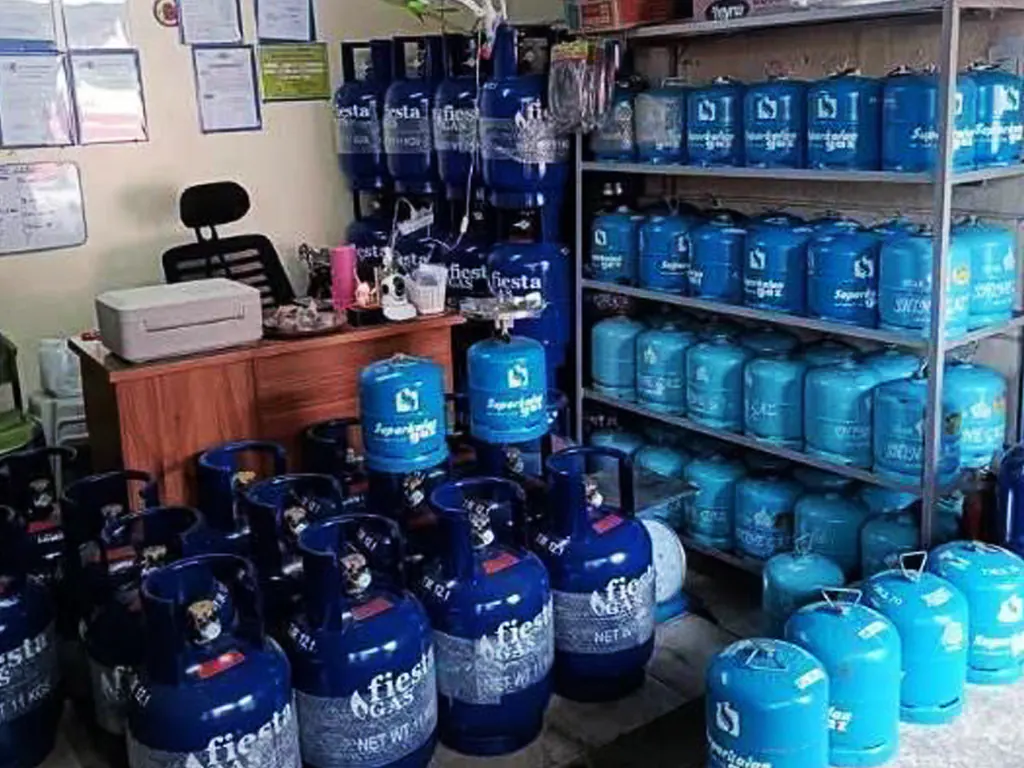
In response, the DOF chief claimed that he has already signed a resolution recommending suspension of excise taxes but only for the liquefied petroleum gas (LPG) and kerosene that are being used by poor to middle class households
According to the Finance secretary, a broader suspension covering diesel and gasoline would disproportionately benefit wealthier consumers who use cars and other types of cooking tools, adding that the government would rather ease the burden of the poorer households in the remote areas of the country.
“Number one, if you remove taxes on diesel and gasoline, it will not be progressive. Ibig sabihin po nito, yung theory po na pinarating sa amin ng mga ekonomista ay ang mga mayayaman ang pinaka malakas gumamit ng diesel at gasolina,” the DOF chief said.
“At kung tinanggal po natin ang taxes sa lahat, ang mas makikinabang po dito ay mga mayayaman kasi sila po yung malakas gumamit ng diesel at gasolina,” Secretary Go was quoted as saying in an article which appeared on Bilyonaryo.
He added that the government will instead provide targeted subsidies to vulnerable sectors affected by higher fuel prices.
The government collects specific excise taxes per unit on LPG amounting to P3.36 per kilogram and kerosene at P5.60 per liter under the tax code.
When crude oil price breached above $80 per barrel, the government may choose to suspend or slash excise taxes. A typical three-month suspension would cost the government about P2.5 billion in lost revenues.
Last July, Sec. Go told reporters that the government suspended excise taxes on LPG and kerosene in April to shield the consumers from high oil prices amid the war in the Middle East, for which the government reportedly incurred P2.5 billion revenue loss.
On July 8, levies were restored on July 8 after Dubai crude prices hovered below $80 per barrel from June 1 to 30. Go was referring to President Ferdinand Marcos Jr.’s executive order 114 suspending the excise tax on selected petroleum products for three months.
The suspension led to P3.36 per kilo reduction in LPG prices and P5.60 per liter for kerosene.
But the tax rates returned to their previous level one week after the one-month average of Dubai crude fell below $80 per barrel, based on the Mean of Platts Singapore (MOPS) upon the certification by the Department of Energy — or upon the expiration of the three-month suspension period.
So with resumption of war disruptions and constricting supply of crude into the world, crude oil again rose beyond $80 per barrel, which is why the government would again suspend excise taxes on LPG and kerosene.