

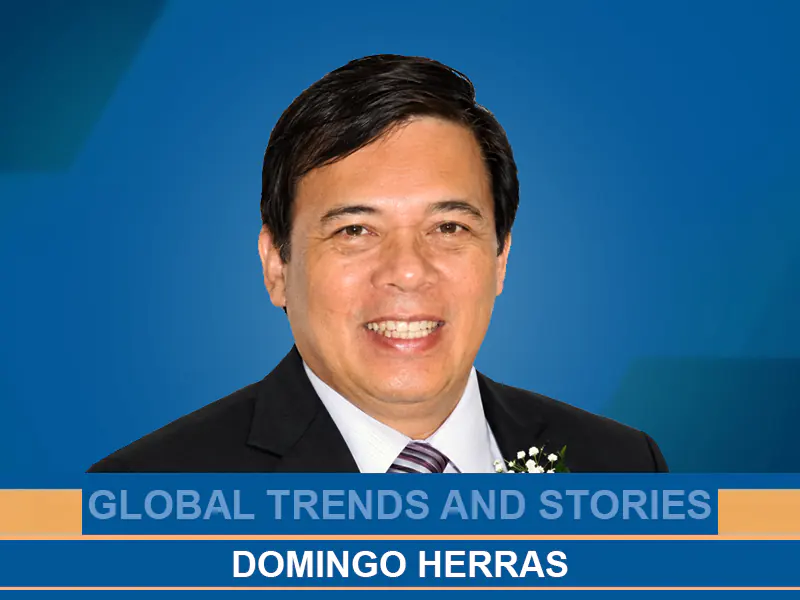
AS a former migrant worker who has witnessed the painful scars left by workplace abuse and vulnerability, I created “THE OFW GLOBAL TRENDS AND STORIES” to ensure that no Filipino woman ever faces the shadows of foreign employment unwarned or unprotected.
The vision of this column is grounded in proactive defense—transforming painful realities into life-saving awareness before our departing workers step foot inside their overseas households.
By fearlessly confronting the root causes of harassment, rape, and exploitation, this space aims to educate, forewarn, and safeguard our modern-day heroines as they carry out their sacrifices across the globe.
My column was forged with a singular, vital mission — to serve as a beacon of truth, protection, and empowerment for our brave overseas Filipino workers navigating the complexities of employment abroad.
While millions of our women step onto foreign soil driven by love for their families, many walk blindly into households where isolation, systemic imbalances, and predatory intentions put their safety, dignity, and very lives at risk.
This opinionated column exists to unmask these hidden dangers, expose the deceptive practices of abusive employers, and equip our departing sisters with the firsthand knowledge, foresight, and vigilance needed to shield themselves from exploitation, harassment, and violence.
Leaving home for foreign shores is a sacrifice rooted in deep love for family and a desperate hope for a better future.
For hundreds of thousands of Filipino women—our sisters, mothers, and daughters—taking on domestic work abroad, particularly in the Middle East, is a courageous leap into the unknown. Yet, behind the promise of financial relief lies a perilous reality. As a former OFW who has witnessed the heartbreaking aftermath of abuse, harassment, and exploitation firsthand, I write this column not to discourage, but to unmask the hidden traps and empower our departing workers before they step onto that plane.
Why do our women domestic workers remain exceptionally vulnerable to physical, psychological, and sexual abuse? The answer lies in a combination of systemic isolation, manipulative power dynamics, and legal systems that often favor the employer over the worker.
Unregulated Spaces
Unlike office workers or healthcare professionals, domestic workers operate behind closed doors in private households. This setting removes public oversight and normal safety nets. In many countries, domestic work is excluded from standard labor law protections, leaving workers at the mercy of their employers’ household rules.
Furthermore, the practice of confiscating mobile phones, passports, and personal documents strips a worker of her immediate line of communication. Isolated in an unfamiliar house, unable to speak the local language, and cut off from family or embassy support, a worker’s ability to cry out for help or escape an unsafe environment is systematically dismantled.
Sponsorship Dynamics
In many Gulf nations, employment is governed by sponsorship structures (such as the traditional Kafala system). Under these arrangements, a worker’s legal status, residency, and right to leave the country or change jobs are directly tied to their individual employer.
This creates a dangerous imbalance of power. Some employers exploit this leverage, using the threat of false accusations—such as “absconding” or theft—to intimidate workers into submission. When a worker knows that running away could lead to immediate arrest or deportation without pay, predatory individuals exploit that fear to commit acts of harassment and sexual violence.
Deceptive Recruitment
It is a painful truth that not every household hires a domestic worker purely for assistance with household chores. In predatory scenarios, a worker’s physical dependence on her job is weaponized. Manipulative employers take advantage of the worker’s financial desperation, obligation to send money home, and cultural tendency to remain respectful and submissive.
In subtle stages, boundaries are tested—starting with unpaid overtime and verbal intimidation, gradually escalating to physical encroachment, harassment, and outright assault. Deprived of freedom of movement, the worker finds herself trapped in a cycle of vulnerability.
Knowledge as Shield
To our outgoing and departing women OFWs: courage alone is not enough; preparation and constant vigilance are your strongest armors. Before you deploy:
- Secure Official Helpline Contacts: Memorize and physically write down the contact details of the nearest Philippine Embassy, Migrant Workers Office (MWO), and local emergency services. Do not rely solely on your phone’s memory.
- Establish a Safe Communication Protocol: Set up an agreed-upon code word or daily check-in routine with trusted family members at home. If a check-in is missed or a code word is used, your family will know immediately to alert authorities.
- Know Your Legal Rights: Insist on keeping copies of your employment contract, passport, and work visa. Understand that no employer has the legitimate moral or legal right to violate your body or personal dignity.
- Identify Safe Spaces Early: Upon arrival, locate the nearest trusted neighbors, fellow Filipino community networks, or local shelters.
Exposing these realities is not about spreading fear; it is about providing the foresight needed to prevent tragedy. By understanding these systemic traps, our women OFWs can stand guarded, vigilant, and protected as they navigate their journeys across the globe.