

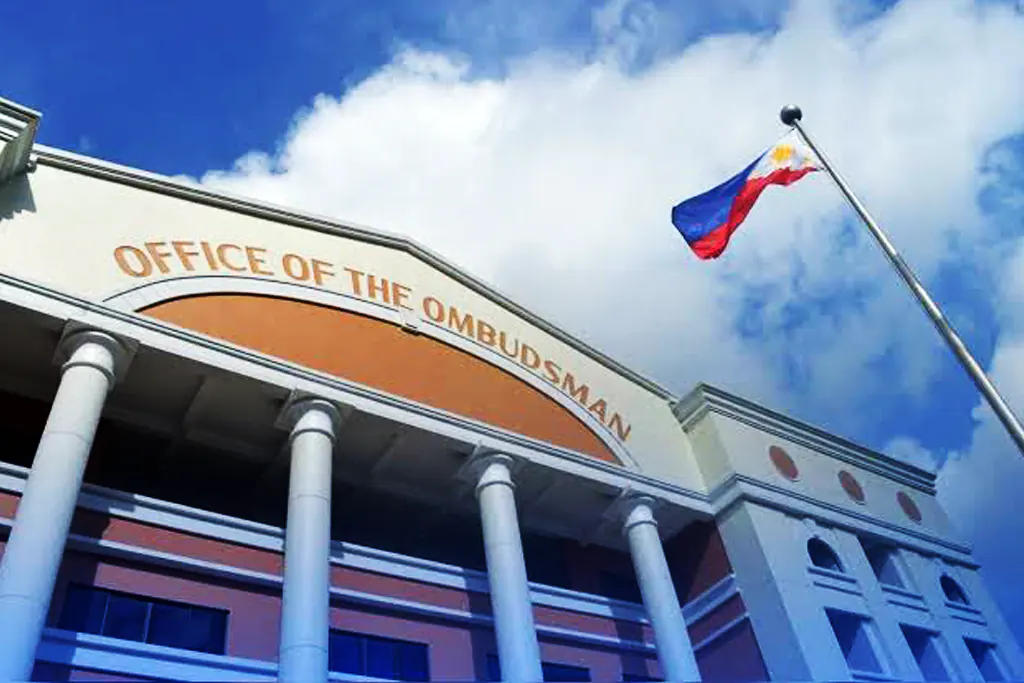
UNDERMANNED as it is, the Office of the Ombudsman broached to the Senate an earnest desire to have law enforcement powers to make more lawful arrest and execute entrapment of corrupt government people.
The Ombudsman, through Assistant Ombudsmen Major Genera Eliseo DC Cruz and Atty. Luis Gonzaga Bonoan, made the proposal on October 5, before the Senate committee on justice and human rights.
“The Office of the Ombudsman knows it could have caught more corrupt government personnel… if it is given the power to make lawful arrests and execute such entrapment operations.”
Cruz added that: “At present, the office is mainly dependent on law enforcement agencies such as the PNP (Philippine National Police), the NBI (National Bureau of Investigation) and the AFP (Armed Forces of the Philippines) in order to carry out its mandate.”
Cruz maintained that coordinating with the law enforcement agencies has been “tedious,” and although such assistance has aided in many of the Ombudsman’s successes, the long coordination process has also led to some of its failures, the Inquirer reported.
Apart from relying on other agencies for entrapment operations, Cruz added that the Office of the Ombudsman “heavily [relies] on them for our informants’ and our own investigators’ protection and security.”
With this, the Office of the Ombudsman proposed the additional functions to “centralize the functions relating to administrative judgment, enforcement, institutional security, and compliance monitoring under a single coordinating office,” Bonoan told the panel.
Under the agency’s proposal, the enforcement service will be granted the following functions:
● Supervise the implementation of judgement, resolution, directives
● Establish protocols, systems, and standard operating procedures for enforcement of administrative judgments
● Protect and secure officials, personnel, complainants, and witnesses
● Assess operational risks in executing administrative judgments
● Conduct threat assessments, investigations, and forensic analysis
● Coordinate with law enforcement agencies on arrests and warrants
● Serve subpoenas, and summons among others
● Verify compliance of judgments and resolutions
● Provide intelligence and assistance to investigations and enforcement operations
Bonoan also detailed that upon the formation of its in-house enforcement service, 100 new positions would be required across its offices nationwide.
Currently, the Office of the Ombudsman is in charge of investigating offenses by public officials including corruption and abuse of power, but the agency lacks authority to arrest or initiate criminal lawsuits.
It may only impose administrative penalties to erring officials, or file criminal charges against government personnel to courts.