

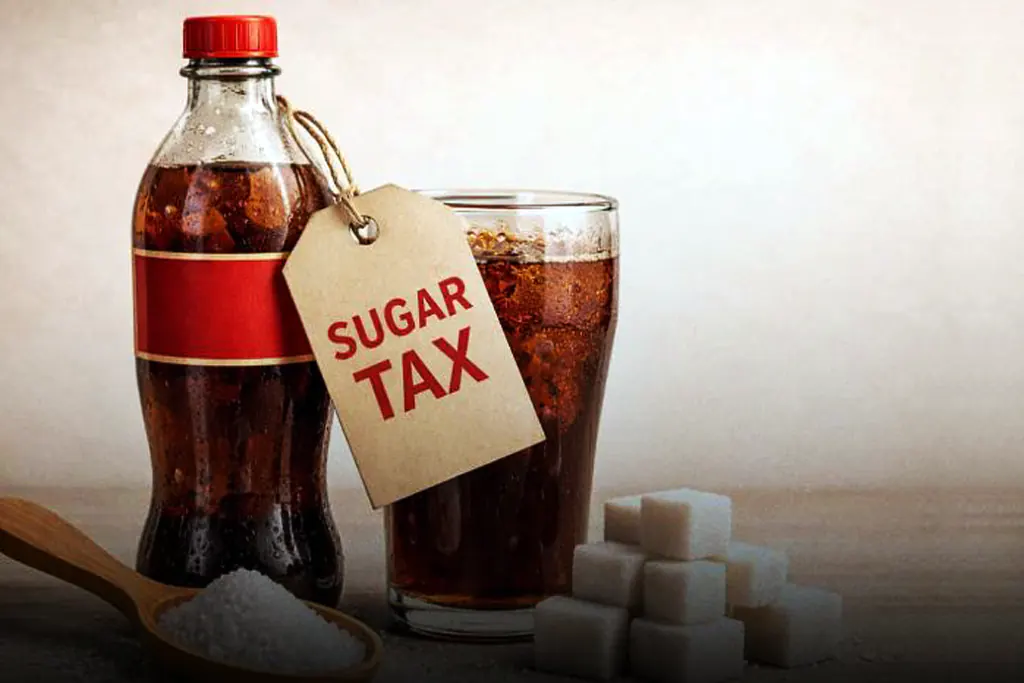
SUGAR farmers are pushing for a lower tax rate of P6 per liter on drinks using local sugar while for drinks made with other sweeteners at P40 per liter. This as imported artificial sweeteners have been flooding the markets and easing out local sugar in the domestic market, thereby endangering the very livelihood of local sugar farmers.
Importation of artificial sweeteners have surged in the past years because of the favorable tax treatment that enabled them to offer cost advantage over pure sugar. This happened in 2018 when the TRAIN law (RA 10963) was passed that taxed at a flat rate of P6 per liter the pre-packaged sweetened beverages containing pure caloric sweeteners (like local cane sugar) or non-caloric/artificial sweeteners (like aspartame or sucralose).
Naturally consumers were given a wide choice by virtue of the price edge of artificial sweeteners over local sugar, leading to overimportation and wider market share for alternative sweeteners.
The Sugar Regulatory Administration (SRA) disclosed that the prevailing two-tier tax structure is P6 per liter for drinks sweetened with sugar and artificial sweeteners while those sweetened with high fructose corn syrup are only charged P12 per liter.
SRA Administrator Pablo Luis Azcona said Congress is currently considering tax rates at P20 and P40, respectively.
“Tier 1 (applies to) pure sugar, locally manufactured beverage, locally manufactured sugar and will be left at P6,” Azcona said, while all other beverages and imported sweeteners would be moved to the higher tier, up to P40 if needed.
Azcona said farmers believe the tax system should encourage the use of domestic sugar. “All the other sweeteners are imported,” he was quoted by Business World.
The SRA said in 2018, the favorable tax treatment of artificial sweeteners alongside pure sugar led to a shift in favor of artificial sweeteners because of their cost advantage over pure sugar.
Beverage makers and industrial users consume roughly 60% of the national sugar supply.
Azcona noted that finished beverage imports fall outside the Department of Agriculture and SRA’s mandate and are instead regulated by the Food and Drug Administration. While the SRA’s jurisdiction covers only raw materials such as sugar and alternative sweeteners, it actively monitors such imports to protect farmers.