

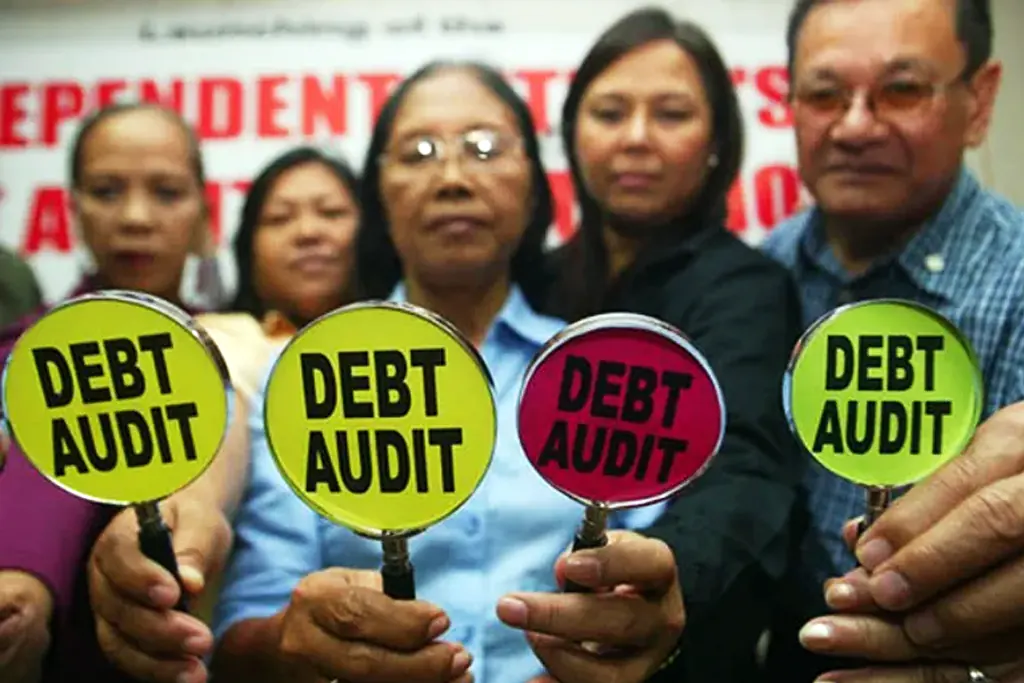
THE COUNTRY’S debt zoomed from P6.09 trillion to P13.42 trillion under the Duterte administration, only to further leap from P13.4 trillion in 2022 to 19.61 trillion (as of end August 2026) under the Marcos administration.
But most of the debts had been funding amortization of outstanding debts, and socio-economic infrastructure (civic) projects, with the latter under the control of politicians in charge of proposing such projects, deliberating on the funding proposals and finally allocating funds (and this last stage is where pork barrel comes in).
The Philippine national government’s total outstanding debt stock reached a record ₱19.61 trillion at the end of August 2026, according to the Bureau of Treasury.
Treasury records show that domestic borrowings comprise the majority at P13.24 trillion (or 67.53 percent) while foreign debt accounts for P6.37 trillion (32.47 percent).
Factors that drove these debts comprise an ongoing accumulation reflect continued fiscal deficits, infrastructure funding, net issuance of government securities, and foreign exchange valuation pressure from a depreciating peso against the US dollar.
The weakening of the Philippine peso against the US dollar increased the peso-equivalent value of foreign-denominated obligations.
The debt to GDP ratio is projected at roughly 64.9% for 2026, which fiscal authorities maintain remains within manageable sustainability levels.
But ACT Teachers partylist Rep. Antonio Tinio on Thursday said that part of the growing debt the country is incurring goes to pork barrel, which the Department of Budget and Management (DBM) readily denied.
During a press briefing on Wednesday, Tinio said the country’s debt has been growing since the COVID-19 pandemic, and has further increased during the term of President Ferdinand
“The question, of course, is, our debt keeps growing and growing. So, where is it going? Where is it being used? A big part of the budget is being used to cover the budget deficit. Again, the budget deficit under the Marcos Jr. administration is growing. Where is the borrowed money going to fund the deficit? It is being put in pork.